


wilmernixon54
About wilmernixon54
Erectile Dysfunction: Understanding the Causes, Impression, And Treatment Options
Erectile dysfunction (ED) is a condition that affects tens of millions of men worldwide, but it remains a topic shrouded in stigma and silence. Defined as the inability to achieve or maintain an erection sufficient for satisfactory sexual efficiency, ED can significantly impact a man’s high quality of life, self-esteem, and relationships. As consciousness grows, it is essential to delve into the causes, implications, and accessible treatment choices for this frequent condition.
The Prevalence of Erectile Dysfunction
Latest studies point out that erectile dysfunction affects approximately 30 million men within the United States alone, with prevalence increasing with age. Whereas it is often associated with older males, ED can have an effect on younger men as properly, with components reminiscent of stress, anxiety, and way of life decisions contributing to the issue. In line with the Massachusetts Male Aging Examine, nearly 52% of males aged forty to 70 experience some degree of erectile dysfunction, highlighting that it’s not merely an aging subject but a widespread well being concern.
Understanding the Causes
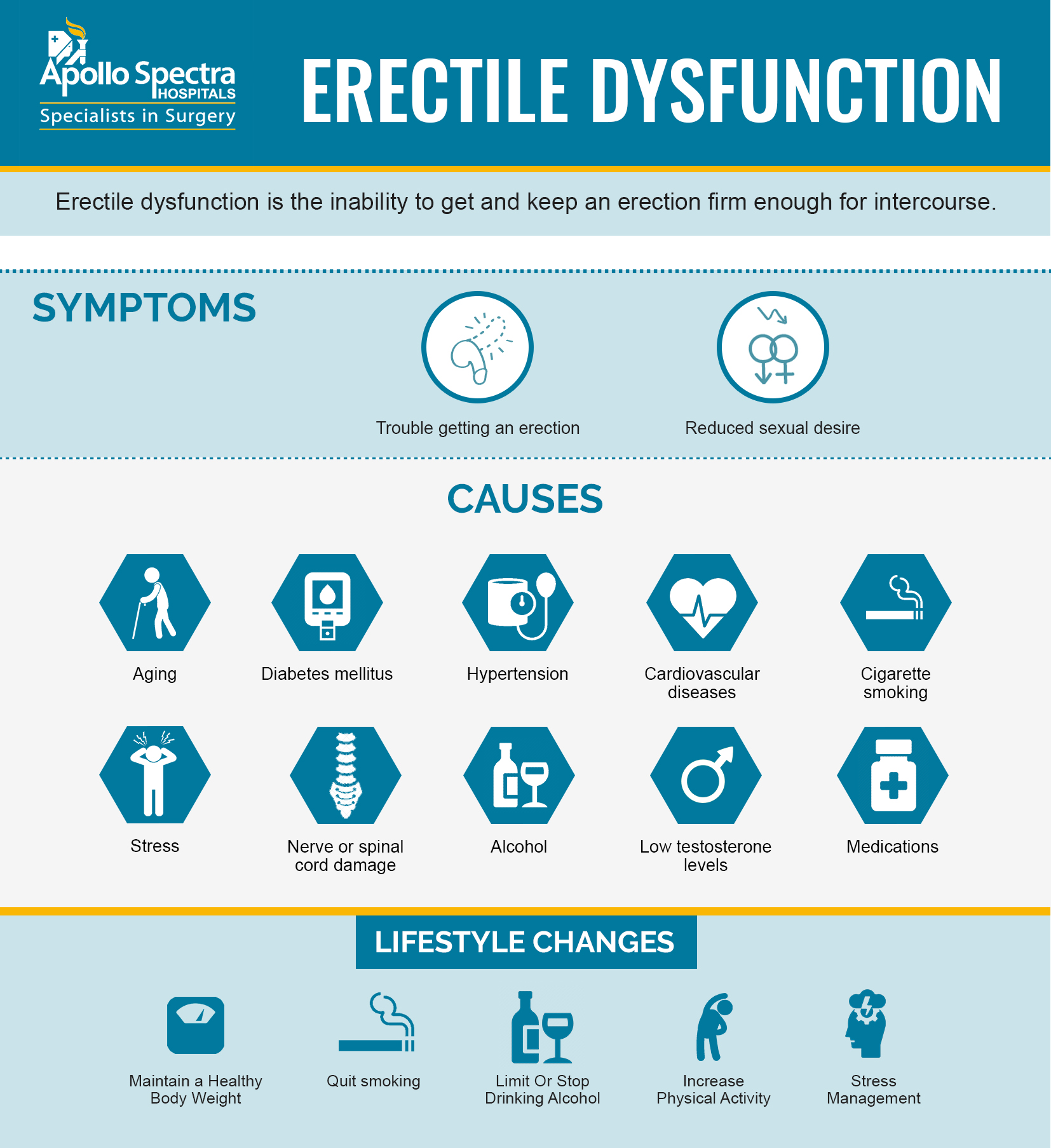
Erectile dysfunction can stem from quite a lot of bodily and psychological factors. Physically, situations such as diabetes, heart illness, obesity, and high blood pressure can impede blood movement, which is essential for reaching an erection. Neurological disorders, hormonal imbalances, and the side effects of certain medications also can contribute to ED.
On the psychological facet, stress, anxiety, and depression can play important roles in the onset of erectile dysfunction. Efficiency anxiety, specifically, can create a vicious cycle where the concern of not with the ability to carry out results in increased anxiety and further exacerbates the issue. Moreover, relationship problems may also contribute to psychological ED, making it important for men to handle each bodily and emotional health when looking for treatment.
The Affect of Erectile Dysfunction
The implications of erectile dysfunction prolong past the bedroom. Many men expertise emotions of embarrassment, shame, or inadequacy, which may result in decreased self-esteem and withdrawal from intimate relationships. The emotional toll can be substantial, resulting in anxiety, depression, and a decline in total quality of life.
Moreover, ED can considerably have an effect on partnerships, leading to misunderstandings, frustration, and even resentment between companions. Open communication is important for couples to navigate the challenges posed by erectile dysfunction, as it fosters understanding and assist.

In search of Assist: Breaking the Stigma
Despite its prevalence, many men are reluctant to seek assist for erectile dysfunction because of the stigma surrounding the situation. It is crucial to recognize that ED is a medical concern and not a reflection of masculinity or value. Encouraging open discussions about sexual well being may also help break down barriers and promote a extra supportive setting for those affected.
Males experiencing symptoms of erectile dysfunction are inspired to seek the advice of with healthcare professionals. A thorough analysis can help determine underlying causes and guide applicable treatment choices. Healthcare suppliers can provide a range of solutions tailor-made to particular person needs, emphasizing the importance of addressing both bodily and psychological features of the condition.
Treatment Options for Erectile Dysfunction
Luckily, there are quite a few treatment options available for erectile dysfunction, ranging from lifestyle adjustments to medical interventions. Listed here are a few of the most common approaches:
- Way of life Modifications: Simple adjustments can have a major impression on erectile function. In the event you liked this information along with you wish to get details concerning erectiledysfunctiontreatments.online kindly go to the site. Common train, a balanced weight loss program, sustaining a healthy weight, and quitting smoking can enhance general health and enhance blood circulate. Lowering alcohol consumption and managing stress can also contribute to raised sexual well being.
- Psychological Counseling: For these whose ED is rooted in psychological factors, therapy can be beneficial. Cognitive-behavioral therapy (CBT) and intercourse therapy may also help address anxiety, depression, and relationship points, providing tools to cope with and overcome erectile dysfunction.
- Medications: Oral medications, often called phosphodiesterase kind 5 (PDE5) inhibitors, are generally prescribed for ED. These embrace common medicine akin to Viagra (sildenafil), Cialis (tadalafil), and Levitra (vardenafil). These medications enhance blood circulate to the penis, facilitating an erection when sexual stimulation occurs.
- Vacuum Erection Units: A vacuum erection machine (VED) is a non-invasive option that entails inserting a cylinder over the penis and utilizing a pump to create a vacuum, drawing blood into the penis to attain an erection. A constriction ring is then placed at the bottom to maintain the erection.
- Hormonal Therapy: In cases where hormonal imbalances are identified, testosterone substitute therapy could also be considered. This treatment may also help restore hormone ranges and enhance erectile operate.
- Surgical Options: For severe cases of ED that don’t respond to different treatments, surgical interventions similar to penile implants may be considered. This option includes surgically inserting units within the penis to permit for erections.
Conclusion: A Path Ahead
Erectile dysfunction is a typical condition that affects many men, yet it is usually overlooked resulting from stigma and embarrassment. Understanding the causes and implications of ED is crucial for those affected, in addition to for his or her partners. With a variety of treatment options available, men are encouraged to hunt help and interact in open conversations about their sexual health. By breaking the silence surrounding erectile dysfunction, we can foster a more supportive environment that prioritizes effectively-being and intimacy, ultimately leading to healthier relationships and improved high quality of life.
No listing found.